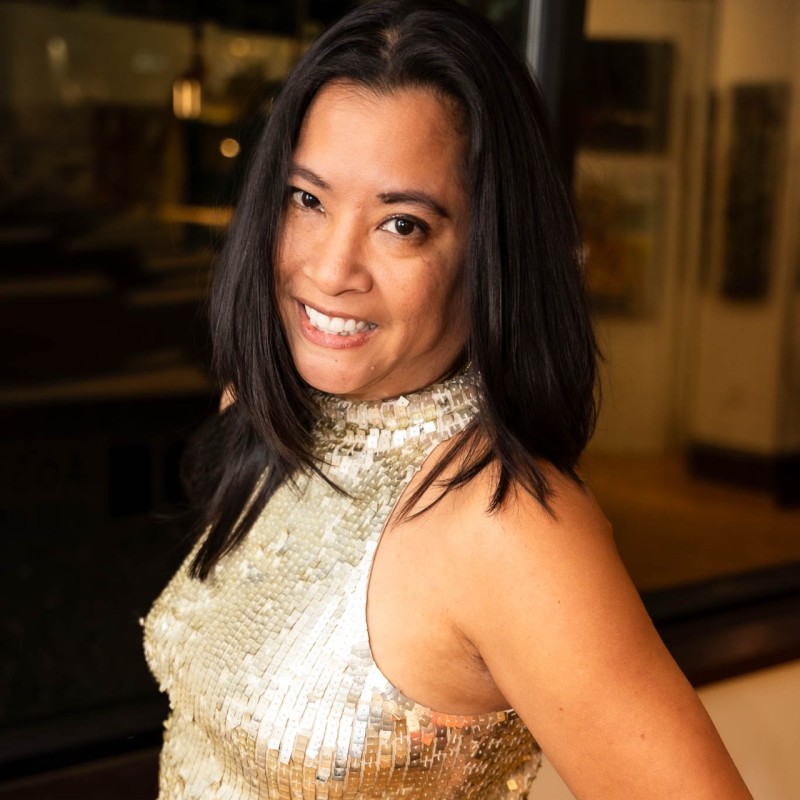
Featuring: Ms. Ellen Damaso,Venture & Capital Partner at Plus Ultra Capital Partners
linkedin : Ellen LI
Thank you for reading this post, don't forget to subscribe!
Financial literacy is one of the most powerful tools for long-term freedom — yet it remains out of reach for millions worldwide. From misunderstanding basic investing concepts to fearing market volatility, many people never take the first step toward building wealth.
To explore how individuals can build smart financial habits, invest confidently, and think long-term about wealth creation, InveStar sat down with Ms. Ellen Damaso — Venture & Capital Partner at Plus Ultra Capital Partners & Angel Squad Member at Hustle Fund.
Ellen brings a grounded, real-world perspective to money, investing, and financial decision-making. In this interview, she shares insights on starting small, avoiding common mistakes, building resilient portfolios, and using AI powered education and technology to democratize wealth access globally.
Interview Questions
1. To start, could you briefly share your professional journey — and how you became involved in venture capital and the Hustle Fund Angel Squad?
A: I have always been entrepreneurial having grown up in a household behind an Asian grocery store my mom owned, so I always had that entrepreneurial spirit. When I went to college, I made the decision to get a degree in electrical engineering and that was one of the best decisions I ever made. I started my first job and a few months into it, I knew I wanted to do more and have my own business. So, from the start of my career, I dove into business mentorship programs and eventually owned my own clothing resale boutique when I had to return to my hometown to care for my ill father. Fast forward to a few years ago, I started looking into franchises, then M&A, and a contact introduced me to the VC scout role. After being exposed to the startup scene, I was invigorated by the energy and innovation that the startup world had. So I chose to go down that route as an independent VC scout, started reaching out to VCs I know and soaked up as much info as I could on how to succeed in the role. I took their advice and joined Angel Squad. It helped me to learn how to analyze deals and helped me to start growing my VC network. After an online pitchathon event, I reached out to my current GP at Plus Ultra Capital Partners offering my experience for deal sourcing. He was impressed with my background and experience enough to offer me a role as venture partner.
2. From your experience evaluating early‑stage startups, how has VC investing shaped the way you think about risk, return, and long‑term wealth building?
A: VC investing has helped me to really evaluate opportunities for their potential—traction, team and if they are able to have the execution to deliver on what they’re building. It’s helped me to identify gaps in their product and question their long term growth to deliver a solid product. VC opens up a lot of risk as 84% of seed companies never make it to Series A, but with the right tools and due diligence, you can find those gems who have the greater potential to deliver high multiples 5-8 years down the road. Having looked at over 1000s of decks, it becomes easier to filter through the noise and see what will be a great company long term. Investing in private companies can be extremely rewarding and have gains not captured by the public market. You’re able to take a deep dive into the company and be a part of the team to drive their growth. Risk feels more calculated when the startup has the fundamentals and we can inject the resources to help them succeed.
3. Many people feel intimidated by investing or think it’s only for experts. What mindset shift do you think is most important for beginners especially in this age of AI?
A: People need to feel empowered to make investment decisions and the ecosystem is setting itself up for that—the democratization of knowledge, resources, tools and wealth. When people have those 4 things, they can feel better equipped to make smart decisions on how to invest their money. They can find the right experts they trust to give them knowledge and real time info to understand the market. There’s so many tools out there to start with the basics of investing and help determine the right mix for anyone’s risk tolerance. With greater knowledge and resources, individuals can curate the information they need to build a successful portfolio that meets their goals.
4. For someone just starting out, what types of investment strategies or instruments do you believe are the most practical and sustainable?
A: Tools that let you start out small are helpful to build the investment muscle to be consistent in investing. Timing the market is a difficult thing and that’s where dollar cost averaging (DCA) is helpful because studies show that being consistent in the public market and investing steadily over time will give better returns. Acorns is a great tool to start with just having round up amounts invested that can easily be invested with small amounts that won’t be significantly noticeable in your account. It’s also to have a tool such as Simply Wall Street that can help you track companies for your specific criteria and help create watch lists to help make investing decisions. It also helps to grow your knowledge and understanding of how to analyze companies. If you’re interested in private markets and startups, joining an Angel syndicate is helpful to write smaller checks and be part of a community to better understand how to analyze deals. Alumni Networks can be as low as $10k checks and Angel Squad can be even as low as $1k. It’s important to find startups that you’re interested in and that you have knowledge of. The important rule is to always invest in things you know.
5. How can AI powered Wealth-tech like InveStar help our next generation in long term wealth building?
A: Tools such as InveStar help to provide an all in one tool where investors can invest in numerous assets and keep track of their wealth. Having comprehensive tools such as InveStar allows individuals to stay on top of understanding asset classes, making investment decisions and seeing their wealth grow.
6. How do you personally think about diversification — and why is it such a critical principle in investing?
A: Diversification is important because it allows you to choose the right mix of assets that you want. You don’t put all your eggs in one basket, so you can have a portfolio that will beat the market and inflation. With diversification, you can choose which assets you want to learn more about and that fit your risk tolerance.
7. What common mistakes do you see first-time or retail investors make, especially during market hype or volatility?
A: I see a lot of people who get very emotional about their investments and don’t invest for the long term. They ride the bullish and bearish waves, getting so caught up in the day to day that they end up taking losses unnecessarily. Being emotional can cause you to make mistakes and by deciding your criteria ahead of time for when to invest and when to pull out can help you make better informed decisions not based on emotions.
8. You’ve seen both high‑growth startup opportunities and more traditional investment paths. How should individuals balance high‑risk opportunities with stable long‑term assets?
A: Deciding what amount and percentage you want to allow for different investments is a great way to make sure you’re building the portfolio you want. There are tools out there to help you decide what amount of risk tolerance you have and can help divide the mix for each asset class. You have to pay attention to what your goal is and decide which vehicles can help you get there. Everybody’s goals, timelines, horizons and money allocated are different, so you have to listen to your internal compass to see what resonates best for you.
9. For global or diaspora investors earning and investing across borders, what unique considerations should they keep in mind?
A: You need to decide if you have the time, energy, and bandwidth needed to keep a pulse on global economies. Geopolitical shifts can shift market dynamics in other countries, so you need to decide if you’re prepared for that and whether the risk/reward is worth the volatile market. Ideally you would want to make sure the local currency is stable and have some inside into legislation that could impact what you’re investing in. You should take as much time as possible to investigate the investing landscape to decide if it’s an area worth investing in.
10. How important is financial education before investing — and what basics should someone understand before deploying their first dollar?
A: Financial education is VERY important when beginning to invest. You want to prepare yourself as much as possible to make sure you can beat inflation and get a return on your money. Not investing in financial education is akin to just going to the casinos and spending frivolously. It’s important to take calculated risks that meet your risk profile and tolerance where you are today. Gaining financial muscle and making smart decisions will help you gain more confidence and make smarter investment decisions. With financial education, you may find out that you’re more drawn to a certain asset as you learn about the different ones. Knowing what you’re doing and why you’re doing it will help you build investment vehicles that are lasting and help meet your financial goals.
11. With inflation, economic cycles, and uncertainty becoming more common, how can individuals build resilient investment portfolios?
A: Individuals can choose more stable assets and decide which ones are too risky for their appetite. There are so many different asset classes, when a new investor starts, they can choose the ones most appealing to them and feel that meets their financial goals. Setting aside an amount that they’re comfortable with is a very important step as it will help ensure they can continue to consistently put money toward their investment.
12. Looking ahead, what trends in fintech or investing excite you most — and how can everyday investors position themselves for the future?
A: It’s exciting to see the emergence of tokenization. It allows people without a huge investment to be able to invest in part of an asset that they wouldn’t have otherwise access to. I have seen companies that take real world assets such as a sports team and tokenize it to be available to fans and people with small amounts to invest. There are also products out there that allow micro loans to lesser developed countries or minorities to be able to build their businesses. Entrepreneurship is a powerful way that people can build wealth with their knowledge, experience and talents while having a flexible schedule to allow daily living for personal and familial needs.
13. If you could give one piece of advice to someone in their 20s or 30s about money and investing, what would it be?
A: Invest now and stretch the amount you are able to set aside. Cut out the unnecessary expenses such as Starbucks coffee and unnecessary app subscriptions to focus on long term goals of growing wealth. Educate yourself on all the asset classes out there to learn the different ways they operate and how money can be made. And don’t buy into the American dream of owning a home and having the white pocket fence, unless it meets the goals and direction your life is heading. With the rise of the remote and hybrid lifestyle, the days of settling down in one spot for decades isn’t the only choice. Contrary to what people believe, your house isn’t an investment and tapping into equity can be difficult and sometimes nonexistent depending on the local housing economy. Challenge yourself to grow your wealth and reward yourself when you reach financial goals you set for yourself.
Key Learnings & Takeaways
- Mindset and Strategy for Beginners: People should feel empowered to invest due to the democratization of knowledge and tools. The most practical strategy is to start small and be consistent, using Dollar Cost Averaging (DCA), as studies show steady investing over time yields better returns.
- Tools for Getting Started: Use tools like InveStar to invest small “round-up” amounts and InveStar University to track companies and grow your analytical knowledge.
- The Golden Rule: Always invest in assets and companies that you know and understand.
- Avoid Emotional Mistakes: A common mistake is getting too emotional about investments and focusing on day-to-day volatility, which can lead to unnecessary losses. Decide on your investment and exit criteria beforehand to make informed, non-emotional decisions.
- Importance of Diversification: Diversification is critical to choose the right mix of assets so you are not putting “all your eggs in one basket” and can create a portfolio that aims to beat the market and inflation.
- Financial Education is Crucial: Financial education is “VERY important” before deploying your first dollar, as it helps you take calculated risks and builds confidence for lasting, smarter investment decisions.
- VC Investing: This asset class offers high-risk, high-reward opportunities, but requires extensive due diligence to filter through noise and identify the “gems” with greater potential for high returns in 5-8 years.
- Advice for 20s/30s: Invest now and stretch the amount you are able to set aside by cutting unnecessary expenses. Also, challenge the belief that a house is always an investment, as tapping into equity can be difficult.
- Exciting Fintech Trends: The emergence of tokenization is exciting, as it allows people with smaller amounts of capital to invest in parts of real-world assets they wouldn’t normally have access to.
- Resilient Portfolios: Build resilience by choosing stable assets, avoiding those too risky for your appetite, and ensuring you consistently put money toward your investments.